

The Ilse Schwepcke Prize is an annual award for women’s travel writing in English. An independent jury will select a shortlist and the winning book will be announced in autumn at the International Frankfurt Book Fair. This prize is for non-fiction, prose works of travel writing and not open to fiction or poetry. The winning author will receive £5,000.
To read more about the Ilse Schwepcke Prize and its sister prize in Germany, the Ilse-Schwepcke-Preis, visit IlseSchwepckePrize.co.uk.
‘I wish,’ Ilse said to a travel writer, ‘I wish I could go with you.’ But they both knew it was impossible. At the time of their meeting, she was already in her late eighties, a director at Haus Publishing, the company set up by her daughter Barbara, using Ilse’s maiden name. Not long after the company started operating, Ilse became the curator of a unique list of travel books inspired by many a journey she had taken – or wished she had. Ilse’s commissions resolutely reflected a love of travel itself and a refusal to pander to the mainstream.
Beautifully written, the books on Ilse’s list invited us all to voyage far beyond the sunset, even if we never leave our armchairs. The Ilse Schwepcke Prize therefore celebrates travellers she would have wished to have accompanied, writers she would have commissioned, and authors she would have loved to have published.
The Ilse Schwepcke Prize is currently closed for submissions. You can find the eligibility criteria for this Prize below.
The 2026 Ilse Schwepcke Prize Shortlist
Always Home, Always Homesick by Hannah Kent (Picador, Pan Macmillan)
Greyhound by Joanna Pocock (Fitzcarraldo Editions)
Shifting Sands: A Human History of the Sahara by Judith Scheele (Profile Books)
Frontierlands by Hazel Sheffield (Torva, Transworld)
Tea and Grit: A Bicycle Journey along the Silk Road by Helen Watson (Bradt Travel Guides: Journey Books)
Reading the many books submitted for the 2026 Ilse Schwepcke Prize has been literary nourishment of the very finest kind: savoury, varied and endlessly surprising. Travel writing embraces many approaches; the best of it expands the mind and extends our horizons. The Ilse Schwepcke Prize celebrates travel writing by women, a genre that is unique in the narratives it sets forth, the details it notices, and the adventures it offers. In 2026, the unifying characteristics of the wonderful shortlist unanimously agreed by the judges are courage, compassion, engagement and integrity. We – and you – accompany the shortlisted writers for thousands of miles, in an arc that encompasses Iceland and Africa, Central Asia, North America and England, and our understanding of the world and our humanity are deepened by each and every one of these five books.
2026 Judges
With thanks, the judges of the 2026 Ilse Schwepcke Prize for Women’s Travel Writing are:
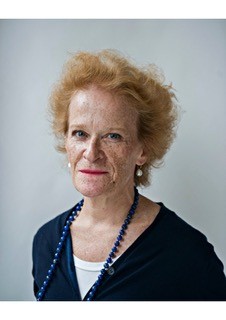
Fiammetta Rocco (chair)
Fiammetta Rocco grew up in Kenya and read Arabic at Oxford. For 25 years she was the culture editor of The Economist, and is now a writer and critic based in London. She is the Emeritus Director of the International Booker Prize and an energetic advocate of reading and story-telling. Fiammetta has been the judge of numerous prizes for fiction and non-fiction. Her writing has won awards on both sides of the Atlantic. She is an honorary fellow of the Royal Society of Literature. And her book, “The Miraculous Fever Tree”, about malaria and the discovery of quinine, was published in Britain and in America. She and her family live between London and Scotland.
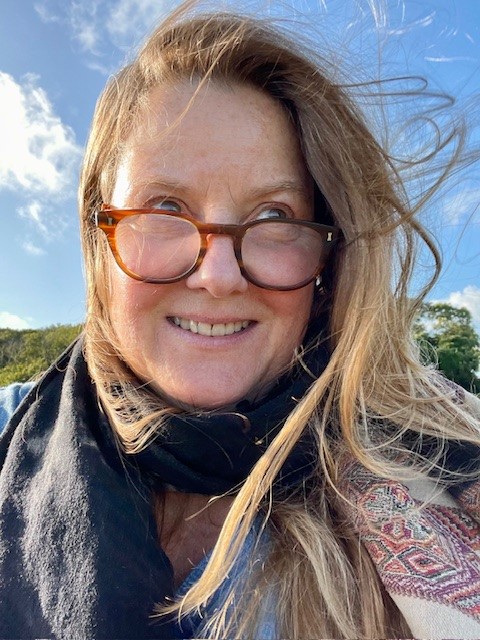
Arabella Friesen
Arabella Friesen studied archaeology at SOAS and has worked as a translator, writer, researcher, editor, reviewer, artist, gardener and cook. She has worked at John Sandoe Books in London since 2012.
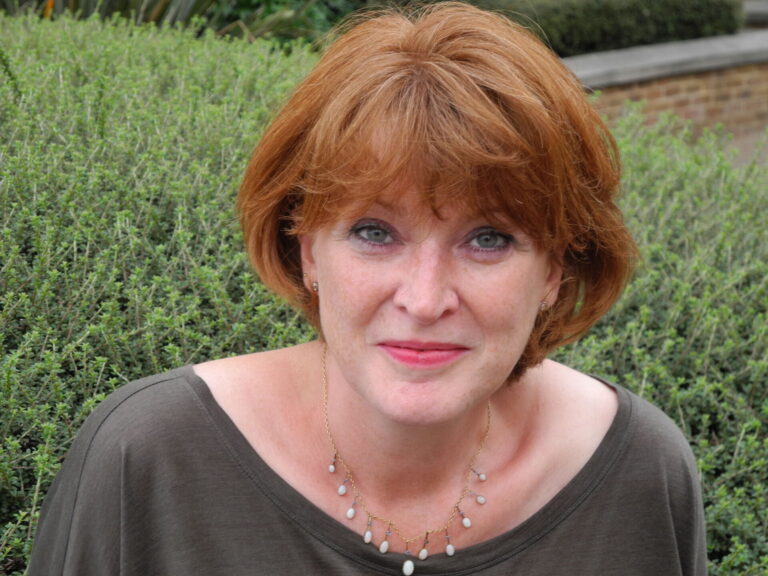
Jacky Colliss Harvey
Jacky Colliss Harvey studied English at Cambridge University and art history at the Courtauld Institute. She has worked as an editor and publisher in museum publishing, as a life model and as a film extra, and now writes full-time. Her non-fiction titles include the NYT best-seller ‘RED: A History of the Redhead’; and most recently ‘Walking Pepys’s London’. Her writing has been praised as ‘quirky and deeply perceptive’, as ‘witty…wide-ranging and thoroughly enjoyable,’ and as showing ‘an eye for surprising details and a lovely way with description’. Her new book, ‘Thoughtlands: Walking in Writer’s Suffolk’, will be published in April 2026.
The 2025 Ilse Schwepcke Prize Winner
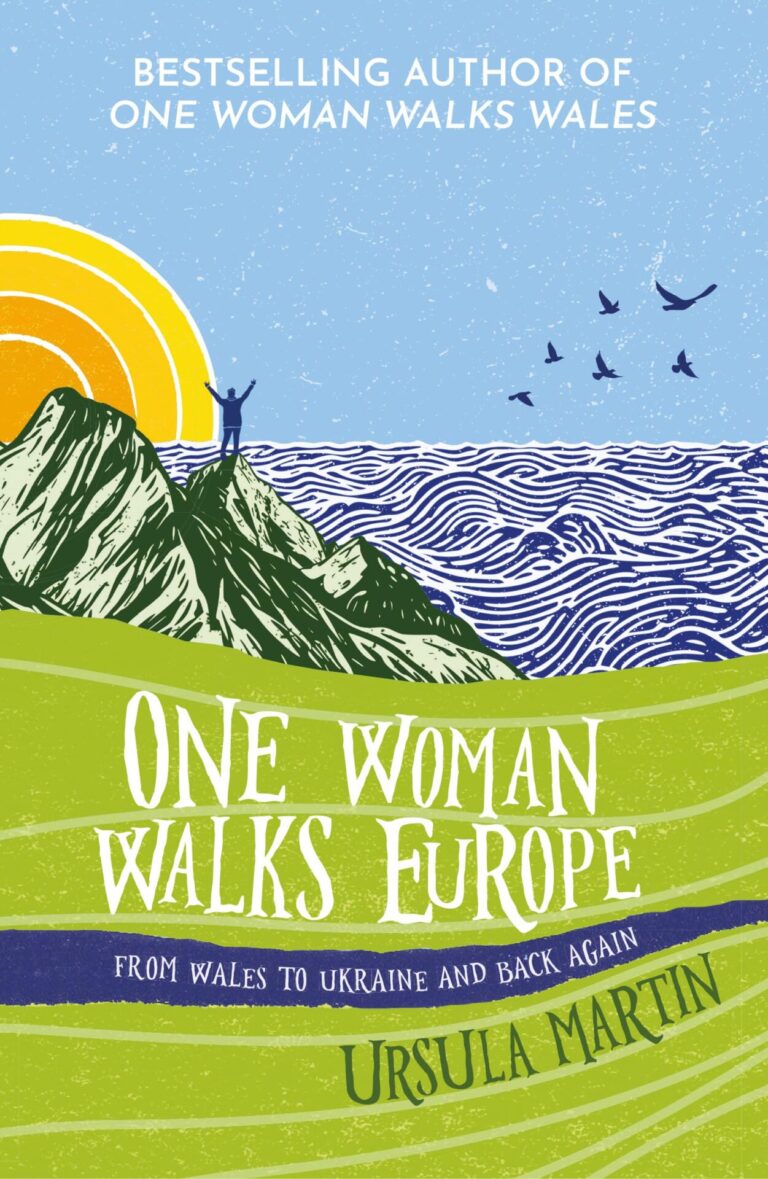
Ursula Martin for One Woman Walks Europe (Honno)
Both my walking and book writing have been deeply solitary journeys.
To bring a book in from the creative wilderness and have it recognised by women committed to supporting other women is a great honour and wonderful affirmation of all the effort.
I hope the Ilse Schwepcke Prize continues to highlight the achievements of many intrepid women in future, both amplifying unheard voices and showing us more of what women are capable of.Ursula Martin, 2025 Ilse Schwepcke Prize Winner
We were unanimous in our decision to select Ursula Martin’s One Woman Walks Europe as the winner of the first ever Ilse Schwepcke Prize. All three judges agreed that her account of walking from Ukraine to Wales was a true travel adventure worthy of taking its place in that long tradition. With her sharp eye and gift for lyrical writing, Martin pins the essence of places, people and countries to the page. Her bravery, independence and brute determination in the face of extraordinary challenges will delight readers of all sexes, but it is women who will be especially inspired by the story she tells. Alongside a travelogue rich with detail about the practicalities of everyday life en route, she tackles difficult and utterly contemporary subjects in ways that add depth to this captivating story.
Helena Attlee, 2025 Ilse Schwepcke Prize Judge
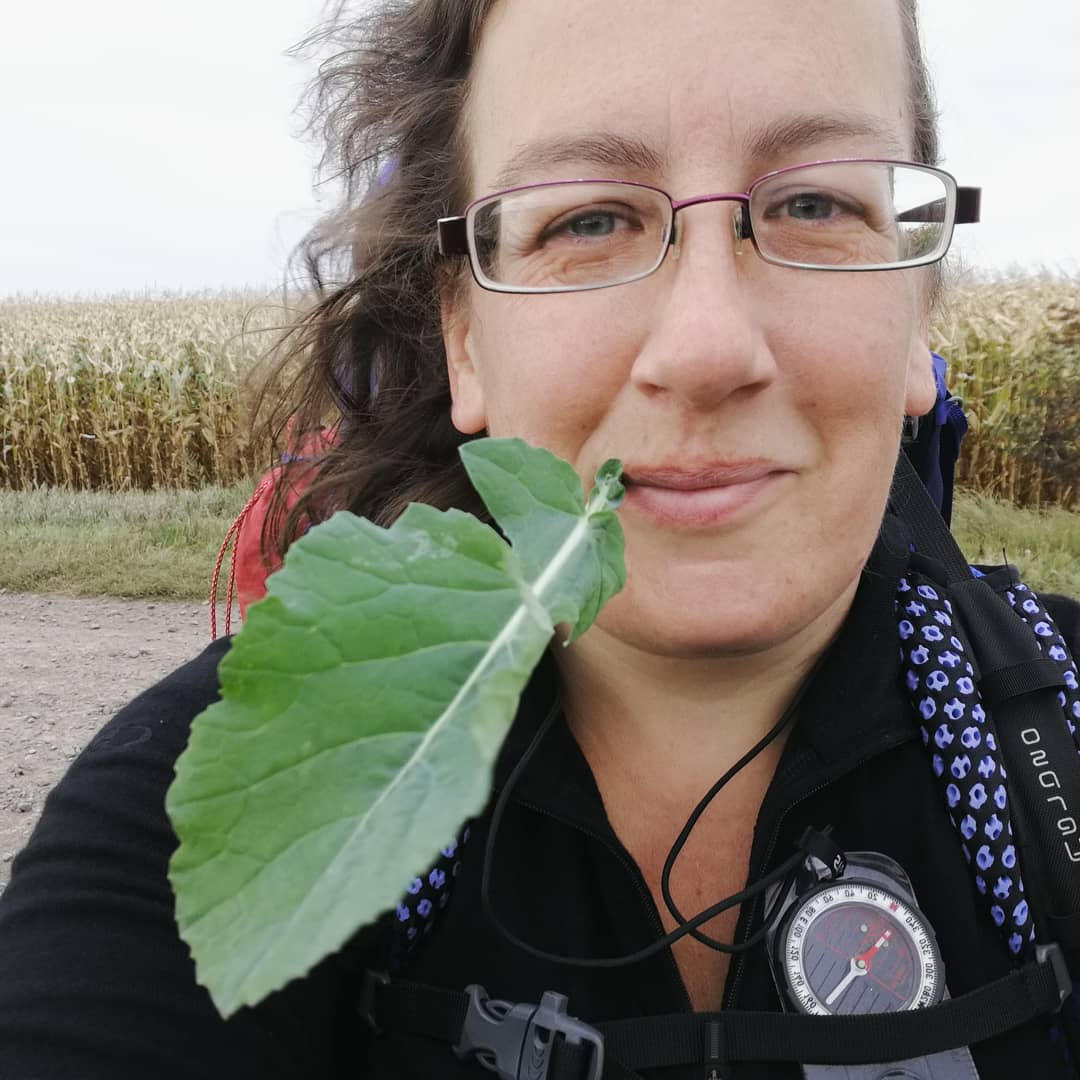
About Ursula Martin, 2025 Ilse Schwepcke Prize winner:
Ursula struggles to take life seriously. She has spent most of her life in low paid jobs, in between periods of travelling. These days she spends her time in Wales, struggling with the balance between ethics and comfort that most first world lifestyles require. She plants seeds and forgets to harvest them. She makes plans with friends in between periods of ignoring them.
She has written two books, One Woman Walks Wales and One Woman Walks Europe, about cancer and walking and nature and human connection, that cover two journeys of more than 9000 miles.
She might never put on a backpack again, she might disappear without trace, she might begin working on a novel.
Photography © Ursula Martin
The 2025 Ilse Schwepcke Prize Shortlist
Dust and Pomegranates: How Greece Changed Me Forever by Victoria Whitworth (Apollo)
One Ukrainian Summer: A memoir about falling in love and coming of age in the former USSR by Viv Groskop (Ithaka Press)
One Woman Walks Europe by Ursula Martin (Honno Welsh Women’s Press)
It has been a great honour to be on the judging panel for the first Ilse Schwepcke Prize, and an inspiration to read our way through such a strong and varied selection of writing by women of all ages. Taken together, the books had much to teach us about courage, resilience and determination. They captured the many and varied creative responses of women to the world. Some interrogated the same important themes, such as climate change, pandemic and sadly, trauma and sexual violence, as well as reminding us of the thrill of a first foreign adventure and the enduring beauty of the natural world. It was a struggle to draw up a short list from this rich mix, but nevertheless we were unanimous in our choices.
Helena Attlee, Arabella Friesen and Stephanie Yeboah, 2025 Ilse Schwepcke Prize Jury