
Italian – John Florio Prize

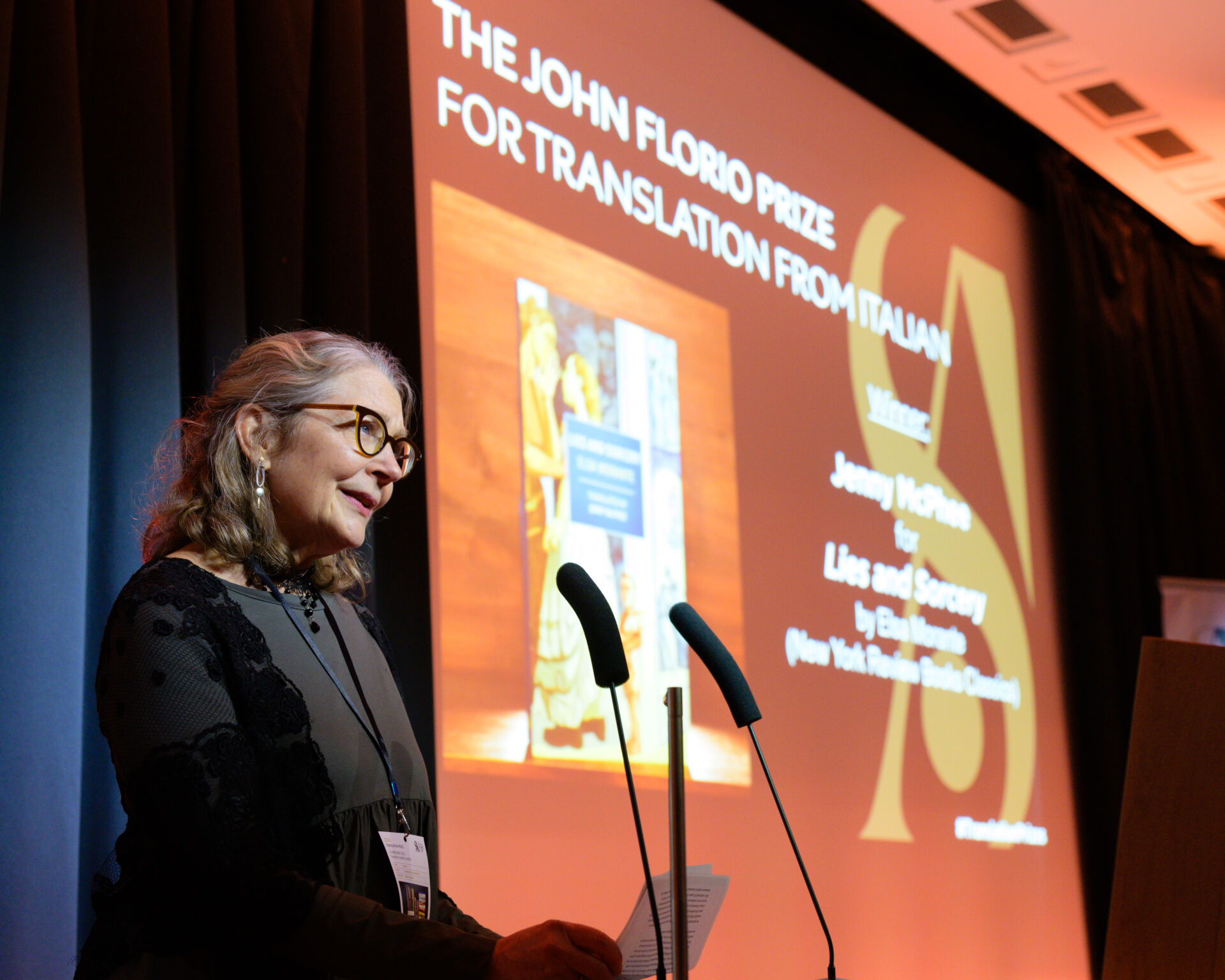
2024 John Florio Prize winner: Jenny McPhee - Photography © Adrian Pope

The John Florio Prize is a biennial award for translations into English of full length Italian works of literary merit and general interest. The winner is awarded £3,000 and a runner-up is awarded £1,000.

Established in 1963 and named for the writer-translator John Florio, who lived in London 1555-1625, the prize is generously sponsored by the Italian Cultural Institute and the Society of Authors.

The John Florio Prize is currently closed for submissions and will reopen in 2027. You can find the eligibility criteria for this Prize below.

  • The original must have been first published in the last 150 years.
  • The translation must have been first published in the UK (or widely available for distribution in the UK) in the two years preceding the submission year.
  • Submissions cannot contain AI generated content.
  • Maximum two entries per imprint, publishers are invited to submit 1 additional call-in title.

The 2024 John Florio Prize winner


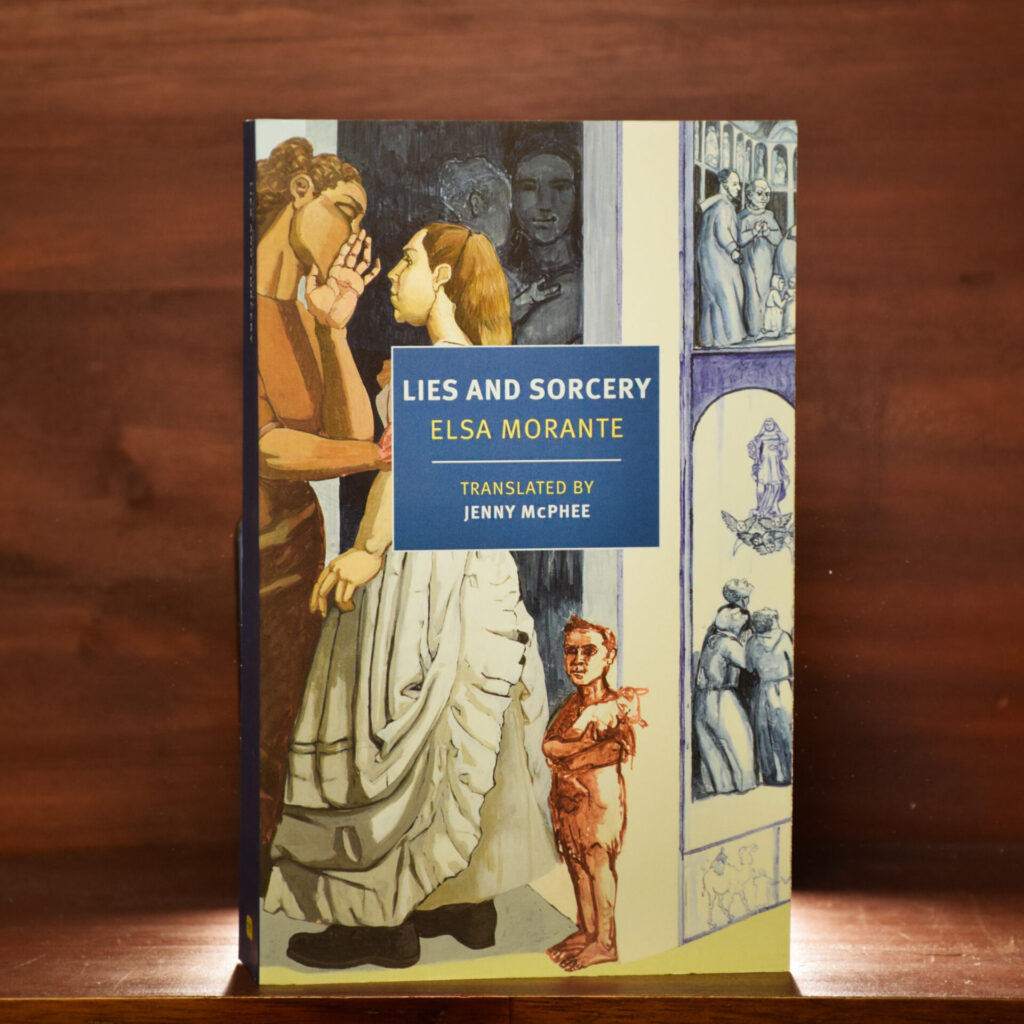
Jenny McPhee for a translation of Lies and Sorcery by Elsa Morante (New York Review Books)

Photography © Natalie Thorpe

‘This translation of Elsa Morante’s first novel Menzogna e Sortilegio is an extraordinary achievement, not only because of the daunting amount of words that constitute the book, but mostly because of the unpredictable and complex ways in which Morante uses words to represent an insidious reality permeated with deception and self-deception. This often requires the translator to unravel phrases and sentences and to write them again for her audience, something that Jenny McPhee is doing generously and indefatigably throughout the book. Time and again, she travels to the heart of the text and emerges from its depths holding the translation as a gift for the contemporary readers.’

Sandra Silipo, 2024 John Florio Prize judge


The 2024 John Florio Prize runner-up
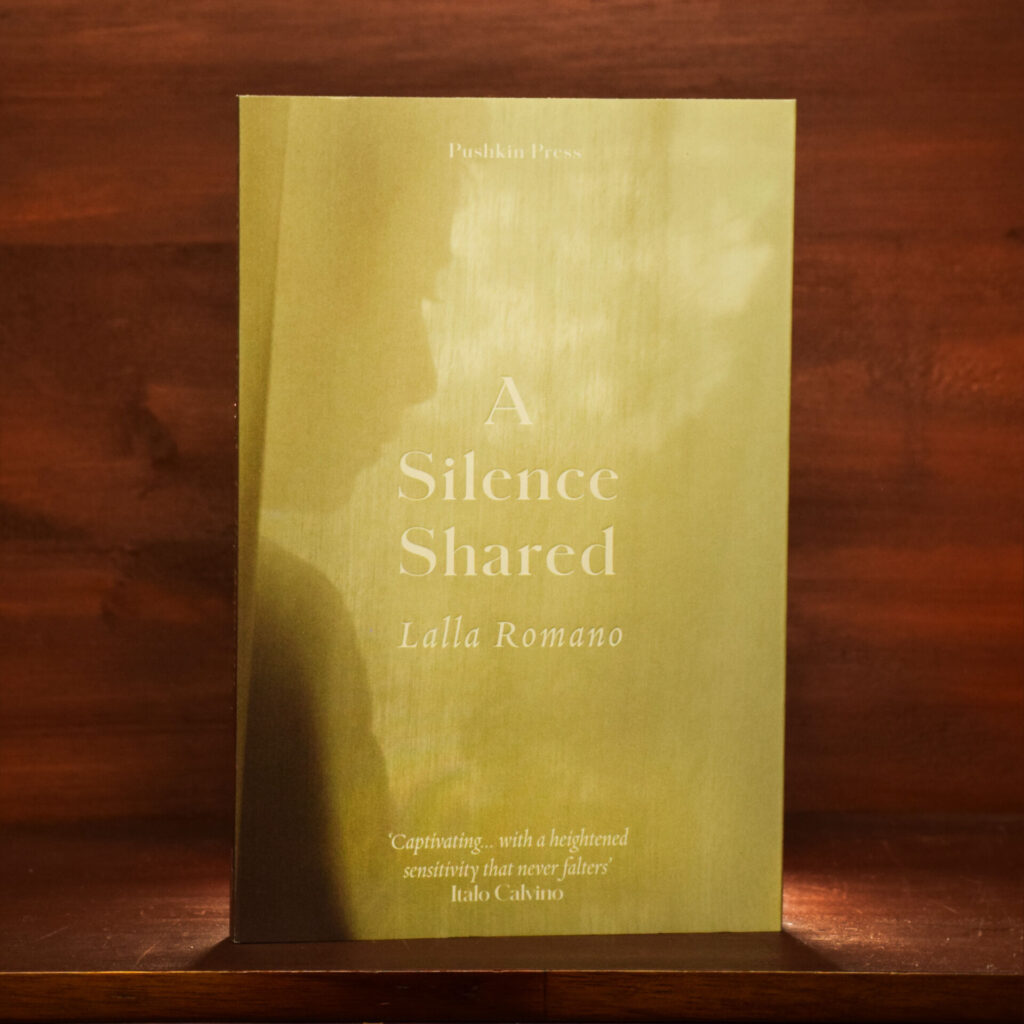

Brian Robert Moore for a translation of A Silence Shared by Lalla Romano (Pushkin Press)

Photography © Natalie Thorpe

‘A Silence Shared phenomenally toed the line between gentle language, minute human interactions and indulgent visuals that left enough room for the reader to both envision and imagine what was. A masterclass in delivering characters that stay with the reader, whilst obscuring them just enough to keep you intrigued long after the book is done. This was a worthy advocate for either top spot.’

Maame Blue, 2024 John Florio Prize judge


The 2024 John Florio Prize shortlist


Leah Janeczko for a translation of Lost On Me by Veronica Raimo (Virago)

John Cullen and Gregory Conti for a translation of The Colour Line by Igiaba Scego (HopeRoad Publishing)

‘The range of outstanding translations from excellent original works – novels, poetry and theatre – has made the process of selection challenging, even painful, and some works of undoubted merit were excluded from our eventual shortlist of four novels. Even the longlist left out works of evident quality.’
Jamie McKendrick, 2024 John Florio Prize judge

If you are interested in any of the books listed here please visit Bookshop.org.

With thanks, the judges for the 2026 John Florio Prize are:

Nichola Smalley

A translator and lover of Swedish and Norwegian literature, Nichola Smalley is also publicist at And Other Stories and an escaped academic – in 2014 she finished her PhD exploring the use of contemporary urban vernaculars in Swedish and UK rap and literature at UCL. Her translations range from Jogo Bonito by Henrik Brandão Jönsson (Yellow Jersey Press), a Swedish book about Brazilian football, to the latest novel by Norwegian superstar Jostein Gaarder, An Unreliable Man (Weidenfeld & Nicolson).

Richard Dixon

Richard Dixon lives and works in Italy. His translations include Umberto Eco’s The Prague Cemetery and Inventing the Enemy, and Roberto Calasso’s Ardor and The Art of the Publisher. He was one of the translators of Giacomo Leopardi’s Zibaldone.

Tim Parks

Born in Manchester in 1954, Tim Parks grew up in London and studied at Cambridge and Harvard. In 1981 he moved to Italy where he has lived ever since. He has written twenty novels including Europa (shortlisted for the Booker prize), Destiny, Cleaver, In Extremis and, most recently, Mr Geography. During the nineties he wrote two, personal non-fiction accounts of life in northern Italy, Italian Neighbours and An Italian Education, books that won acclaim and popularity for their anthropological wryness. These were complemented in 2002 by A Season with Verona, a grand overview of Italian life as seen through the business and passion of football, and Italian Ways, on and off the rails from Milan to Palermo. Aside from his own writing, Tim has translated works by Moravia, Pavese, Calvino, Calasso, Machiavelli and Leopardi; his book, Translating Style, which analyses Italian translations of the English modernists, is considered a classic in its field.

2022 (presented 2023)

Winner: Nicholas Benson and Elena Coda for a translation of My Karst and My City by Scipio Slataper (University of Toronto Press)
Runner-up: J Ockenden for a translation of Snow, Dog, Foot by Claudio Morandini (Peirene Press)
Runner-up: Tim Parks for translations of The House on The Hill and The Moon and the Bonfires by Cesare Pavese (Penguin Press)

Shortlistees:
Elena Pala for a translation The Hummingbird by Sandro Veronesi (Weidenfeld & Nicolson, Orion)
Stash Luczkwi for a translation of Without Ever Reaching the Summit by Paolo Cognetti (Harvill Secker, Penguin Random House UK)
Stephen Twilley for a translation of Diary of a Foreigner in Paris by Curzio Malaparte (New York Review Books)

2020 (presented 2021)

Winner: Jhumpa Lahiri for her translation of Trick by Domenico Starnone (Europa Editions)

Runner-up: Jenny McPhee for her translation of The Kremlin Ball by Curzio Malaparte (New York Review Books)
Shortlistees: Anne Milano Appel for a translation of A Devil Comes to Town by Paolo Maurensig (World Editions)
Ekin Oklap for a translation of Flowers Over the Inferno by Ilaria Tuti (Weidenfeld & Nicolson) 
Taije Silverman and Marina Della Putta Johnson for a translation of Selected Poems of Giovanni Pascoli by Giovanni Pascoli (Princeton University Press)
Howard Curtis for a translation of Soul of the Border by Matteo Righetto (Pushkin Press) 


2018 (presented 2019)

Winner: Gini Alhadeff for her translation of I Am the Brother of XX by Fleur Jaeggy (And Other Stories)
Runner-up: Cristina Viti for her translation of Stigmata by Gëzim Hajdari (Shearsman Books)
Shortlistees: Jamie McKendrick for his translation of Within the Walls by Giorgio Bassani (Penguin Classics)
Mario Petrucci for his translation of Xenia by Eugenio Montale (Arc Publications)
Cristina Viti for her translation of The World Saved by Kids by Elsa Morante (Seagull Books)

2016 (presented 2017)

Winner: Jamie McKendrick for his translation of Archipelago by Antonella Anedda (Bloodaxe Books)
Commended: Richard Dixon for his translation of Numero Zero by Umberto Eco (Harvill Secker/Vintage)
2014 (presented 2015)
Winner: Patrick Creagh for his translation of Memory Of The Abyss by Marcello Fois (MacLehose Press) 
Commended: Cristina Viti for her translation of A Life Apart by Mariapia Veladiano (MacLehose Press)

2012

Winner: Anne Milano Appel for her translation of Scent of a Woman (pictured centre) by Giovanni Arpino (Penguin Classics)
Commended: Howard Curtis for his translation of In the Sea There are Crocodiles by Fabio Geda (Harvill Secker)
Commended: Shaun Whiteside for his translation of Stabat Mater (pictured far right) by Tiziano Scarpa (Serpant’s Tail)

2010

Jamie McKendrick for The Embrace: Selected Poems by Valerio Magrelli (Faber)
Runner-up: Abigail Asher for The Natural Order of Things by Andrea Canobbio (MacLehose Press)

2008

Winner: Peter Robinson for the greener meadow by Luciano Erba (Princeton University Press)
Runner up: Alastair McEwen for Turning Back the Clock by Umberto Eco (Harvill Secker)

2006

Winner: Carol O’Sullivan and Martin Thom for Kuraj by Silvia Di Natale (Bloomsbury)
Runner up: Aubrey Botsford for The Ballad of the Low Lifes by Enrico Remmert (Toby Press)

2004

Winner: Howard Curtis for Coming Back by Edoardo Albinati (Hesperus Press)

2002

Winner: Stephen Sartarelli for Prince of the Clouds by Gianni Riotta (HarperCollins)
and Alastair McEwen for Senior Service by Carlo Feltrinelli (Granta Books)

2000

Winner: Martin McLaughlin for Why Read the Classics? by Italo Calvino Jonathan (Cape)

1998

Winner: Joseph Farrell for Take-Off by Daniele del Giudice (Harvill)

1996

Winner: Emma Rose for His Mother’s House by Marta Morazzoni (Harvill)

1994

Winner: Tim Parks for The Road to San Giovanni by Italo Calvino (Jonathan Cape)

1992

Winner: William Weaver for The Dust Roads of Monferrato by Rosetta Loy (Collins) and Tim Parks forSweet Days of Disciplone by Fleur Jaeggy (Heinemann)

1990

Winner: Patrick Creagh for Danube by Claudio Magris (Collins Harvill) and Patrick Creagh for Blind Argus by Gesualdo Bufalino (Collins Harvill)

1988

Winner: J.G. Nichols for The Colloquies of Guido Gozzano (Carcanet)

1986

Winner: Avril Bardoni for The Wine Dark Sea by Leonardo Sciascia (Carcanet)

1984

Winner: Bruce Penman for China by Gildo Fossati (New English Library)

1982

Winner: Christopher Holme for EBLA by Paolo Matthiae

1980

Winner: Julian Mitchell for Henry IV by Pirandello

1979

Winner: Quintin Hoare for Selections from Political Writings 1921-26 by Antonio Gramsci

1977

Winner: Ruth Feldman & Brian Swann for Shema, Collected Poems of Primo Levi

1976

Winner: Frances Frenaye for The Forests of Norbio by Guiseppe Dessi (Menard Press)

1975

Winner: Cormack O’Cuilleanain for Cagliostro by Roberto Gervaso (Gollancz)

1974

Winner: Stephen M. Hellman for Letters from inside the Italian Communist Party by Maria Antonietta Macciocchi (New Left Books)

1973

Winner: Bernard Wall and Wrestling with Christ by Luigi Santucci (Collins)

1972

Winner: Patrick Creagh for Selected Poems by Giuseppe Ungaretti (Penguin)

1971

Winner: William Weaver for The Heron by Giorgio Bassani (Weidenfeld & Nicolson) and for Time and the Hunter by Italo Calvino (Jonathan Cape)

1970

Winner: Angus Davidson for On Neoclassicism by Mario Praz (Thames & Hudson)

1969

Winner: Sacha Rabinovitch for Francis Bacon, from Magic to Science by Paolo Rossi (Routledge & Kegan Paul) and William Weaver for A Violent Life by Pier Pasolini (Jonathan Cape)

1968

Winner: Muriel Grindrod for The Popes in the 20th Century by Carol Falconi (Weidenfeld & Nicolson) and Raleigh Trevelyan for
The Outlaws by Luigi Meneghello (Michael Joseph)

1967

Winner: Isabel Quigly for The Transfers by Silvano Ceccherini (Eyre & Spottiswoode)

1966

Winner: Stuart Woolf for The Truce by Primo Levi (The Bodley Head) and Jane Grigson & Father Kenelm Foster for The Column of Infamy of Crime and Punishments prefaced by Allesandro Manzoni & Cesare Beccaria (OUP)

1965

Winner: W.H. Darwell for Dongo, The Last Act by P.L. Belline delle Stelli & U. Lazzaro (Macdonald)

1964

Winner: Angus Davidson More Roman Tales by Alberto Moravia, Professor E.R. Vincent for A Diary of One of Garibaldi’s Thousands by G. C. Abbas and H.S. Vere-Hodge for The Odes of Dante

1963

Winner: Donata Origo for The Deserter by Guiseppe Dessi and Eric Mosbacher for Hekura by Fosco Maraini

Istituto Italiano di Cultura di Londra

The Italian Cultural Institute in London, an official body of the Italian state, has the objective of promoting and spreading the Italian language and culture in England and Wales through the organization of cultural events to encourage the circulation of ideas, the arts and of the sciences.